Plumbing problems have a way of sneaking up on you. One day everything seems fine, and the next you’re dealing with a dripping faucet, a clogged sink, or worse — a backed-up sewer line. While many plumbing issues start small, they rarely stay that way. Left untreated, they can cause water damage, higher bills, and expensive repairs.
The good news is that most plumbing problems show warning signs early on. If you know what to look for, you can catch issues before they turn into major emergencies. Here are seven of the most common plumbing problems homeowners face and how to spot them early.
1. Clogged Drains
Clogged drains are one of the most frequent plumbing issues. They happen when grease, soap scum, hair, or food particles build up inside the pipes.
Early signs of clogged drains include:
- Water that drains slowly from sinks, tubs, or showers
- Gurgling sounds coming from the pipes
- Unpleasant odors rising from the drain
If only one drain is affected, it may be a localized clog. But if multiple drains are slow at once, the blockage could be deeper in your plumbing system. Persistent clogs often require professional drain cleaning to fully clear the line and prevent more serious backups.
2. Leaky Faucets
That steady drip from your kitchen or bathroom sink may not seem like a big deal, but over time it wastes gallons of water — and money.
Signs of a leaky faucet include:
- Constant dripping or trickling sounds
- Water stains or pooling around the fixture
- Corrosion or mineral buildup on the faucet head
Sometimes a worn-out washer is the culprit, but if the leak continues, it could point to more serious pipe damage. Fixing leaks early prevents higher water bills, water waste, and reduces wear on your plumbing system.
3. Running Toilets
A running toilet is not just an annoyance — it can waste hundreds of gallons of water each day.
Warning signs include:
- A toilet that runs constantly, even when not in use
- A hissing or trickling sound coming from the tank
- Water movement in the bowl without flushing
Most of the time, the problem is a faulty flapper or fill valve inside the tank. While these are relatively inexpensive to fix, ignoring the issue means wasted water and higher utility bills. A professional plumber can ensure the problem is corrected properly.
4. Low Water Pressure
Few things are more frustrating than stepping into the shower only to find a weak stream of water.
Common causes of low water pressure include:
- Mineral buildup in faucets and showerheads
- Leaks in your plumbing system
- Corroded or aging pipes
- Problems with the municipal water supply
If only one fixture has low pressure, cleaning the aerator may help. But if the entire house is affected, you could be dealing with a leak or failing pipes. Catching this early can prevent bigger problems like water damage, corrosion, or burst pipes.
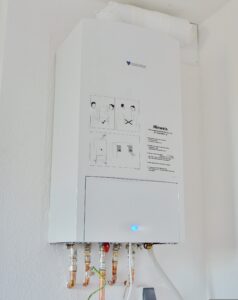
5. Water Heater Problems
Hot water is essential for showers, laundry, and dishes, so when your water heater stops working, you feel it right away.
Signs of water heater problems include:
- No hot water or water that runs out quickly
- Rumbling, popping, or banging noises from the tank
- Rust-colored water
- Leaks around the base of the unit
Many water heater problems are caused by sediment buildup, worn parts, or faulty thermostats. If your water heater is more than 10 years old, water heater replacement may be the most cost-effective option. A plumber can help you decide whether a repair or replacement is the right choice.
6. Sewer Line Backups
A damaged or clogged sewer line can lead to one of the worst plumbing emergencies: raw sewage backing up into your home.
Early warning signs include:
- Multiple drains are clogged at once
- Gurgling sounds from toilets or drains
- Strong sewage odors indoors or in the yard
- Wet, sunken spots in your lawn
Tree root intrusion, collapsed pipes, and years of buildup are common causes. A professional sewer camera inspection can quickly pinpoint the issue and prevent messy, costly damage. Sewer line issues should never be ignored, as they can escalate quickly.
7. Frozen or Burst Pipes
In cold climates, frozen pipes are a major risk during winter. When water freezes, it expands and can cause pipes to burst — leading to significant flooding.
Signs your pipes may be frozen include:
- No water coming from faucets during freezing weather
- Frost on exposed pipes
- Strange clanking noises when turning on taps
Prevent frozen pipes by insulating exposed lines and letting faucets drip during cold snaps. If a pipe bursts, shut off your water supply immediately and call a plumber for emergency repairs. Acting quickly can save your home from major water damage.
Preventing Common Plumbing Problems
While plumbing problems are sometimes unavoidable, many can be prevented with simple maintenance habits:
- Schedule annual plumbing inspections to catch issues early.
- Avoid pouring grease or oils down your drains.
- Use drain strainers to keep hair and debris out of pipes.
- Insulate pipes in unheated areas before winter.
- Flush your water heater yearly to reduce sediment buildup.
Taking proactive steps helps extend the life of your plumbing system and lowers the risk of costly repairs. Preventive care gives you peace of mind and keeps your home running smoothly.
When to Call a Professional Plumber
Some plumbing problems can be handled with quick DIY fixes, but others need professional attention. If you’re dealing with recurring clogs, persistent leaks, no hot water, sewer backups, or burst pipes, it’s best to call a licensed plumber.
At Beeco’s Plumbing & Heating, LLC, we provide plumbing repair services across Trevose and Bucks County. From routine maintenance to emergency repairs, our team has the tools and expertise to keep your home’s plumbing system running smoothly.
Ready to Get Started?
Plumbing problems are common, but knowing the early warning signs can help you stay ahead of major damage. By catching small issues before they escalate, you can save money, protect your home, and avoid stressful emergencies.
Need help with plumbing problems in your Bucks County home? Call now to schedule service — same-day and emergency repairs are often available.