You wake up on a chilly January morning, and there’s no water trickling from your kitchen faucet. The water in the pipes has frozen overnight, and now you’re staring down thousands in repair bills. If you didn’t already know, a burst pipe in Bucks or Montgomery County can cost homeowners upward of $5,000 in water damage, not to mention the headache of displaced furniture and days of repairs.
But Pennsylvania winters don’t have to wreak havoc on your plumbing. With a handful of simple preventive steps, you can winterize your home and keep those pipes flowing all season long. At Beeco’s Plumbing and Heating, we’ve seen what works (and what doesn’t) across hundreds of local homes, and we’re here to walk you through it.
Why Bucks County Homes Are Especially Vulnerable
Not all homes face the same freeze risk. If your house has pipes running along exterior walls, an older foundation, or crawl spaces that aren’t properly insulated, you’re at higher risk when Pennsylvania’s winter temperatures plummet. Even a few hours below 20°F can set the wheels in motion.
Many Philadelphia-area homes were built decades before modern insulation standards. That means pipes in basements, attics, and garages often sit exposed to the cold. Add in the fact that both Montgomery and Bucks Counties regularly see sub-freezing nights, and you’ve got a recipe for disaster—burst pipes.
Frozen pipes can sometimes be thawed, but burst pipes require time, replacement parts, and labor at a high cost. The best solution is to be prepared before the freeze hits.
7 Simple Steps to Winterize Your Plumbing
These proven cold-weather plumbing tips will keep your system safe through even the harshest Pennsylvania winter.
- Shut Off and Drain Outdoor Faucets
Your outdoor hose bibs are the first casualties when temperatures drop. Before the first freeze, disconnect all garden hoses and drain the water from your outdoor faucets. If you have shut-off valves inside your home that control these outdoor spigots, close them and open the outside tap to let any remaining water drain out.Think of it like winterizing a boat—you’re making sure no water is left sitting where it can freeze and expand. Even a small amount of trapped water can crack a pipe or fixture.
- Insulate Exposed Pipes
Any pipes you can see in your basement, attic, garage, or crawl spaces should be wrapped. Use foam pipe insulation or heat tape for extra protection in the coldest spots.This is one of the most effective frozen-pipe prevention tactics. Insulation acts like a winter coat, keeping pipe temperatures above freezing even when the surrounding air is frigid.
- Keep Your Thermostat Above 55°F
Even if you’re heading out of town or trying to save on heating costs, don’t let your home’s temperature drop below 55°F. Pipes inside walls rely on ambient warmth to stay safe.Pro tip: open cabinet doors under sinks—especially on exterior walls—to allow warm air to circulate.
- Let Faucets Drip During Freezes
When a hard freeze is forecasted, let a slow trickle of water run from faucets connected to exposed pipes. Moving water is far less likely to freeze.A pencil-thin drip is enough and far cheaper than repairing a burst pipe.
- Seal Drafts and Gaps
Inspect basements, crawl spaces, and unfinished areas for cracks or gaps that allow cold air inside. Use caulk or spray foam to seal them.Pay special attention to where pipes enter your home through the foundation.
- Check Your Water Heater and Sump Pump
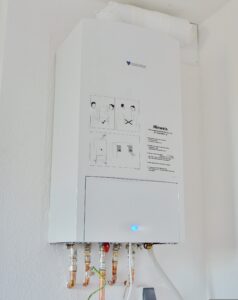
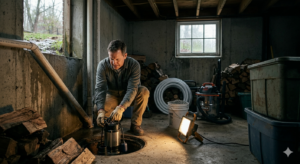
Flush sediment from your water heater to keep it running efficiently during winter. Test your sump pump to ensure it’s ready for melting snow and ice.A functioning sump pump can prevent costly basement flooding during thaws.
- Know Where Your Shut-Off Valve Is
Locate your main water shut-off valve now and make sure it turns easily. Ensure everyone in your household knows where it is.If a pipe bursts, shutting off the water quickly can prevent extensive damage.
What If Your Pipes Do Freeze?
If you turn on a faucet and only get a trickle—or nothing at all—or you notice frost on an exposed pipe, act quickly.
Open the faucet to allow pressure to escape as ice melts. Apply gentle heat using a hair dryer or towels soaked in hot water. Never use an open flame or high-heat source like a blowtorch.
If you can’t locate the frozen section or suspect a burst pipe, call a professional immediately. Delays can lead to serious water damage.
When to Call Beeco’s Plumbing and Heating
Some winter plumbing tasks are DIY-friendly, but others require professional expertise. If you need help with pipe insulation, heat tape installation, or a full plumbing inspection, our team is ready.
We proudly serve homeowners throughout Bucks County, Montgomery County, and the surrounding Pennsylvania areas. Whether you’re dealing with frozen pipes now or preparing for the next cold snap, give us a call and let’s protect your home from winter plumbing disasters.