You made it through another Bucks County winter. The heat stayed consistent, pipes didn’t burst, and everything seemed fine.
Then spring hits.
The rain comes down hard. You run the dishwasher during your first backyard cookout. Suddenly the sink drains slower than usual. The toilet gurgles. Maybe there’s a musty smell in the basement.
Unfortunately, winter doesn’t just leave quietly at the end of its shift. Freeze-thaw cycles loosen joints. Tree roots wake up and start searching for moisture. Sediment settles in your water heater all season long. And once the ground softens, everything shows up at once.
From Levittown ranches on slabs to Doylestown colonials with crawlspaces, we see the same pattern every March. Small issues that could’ve been handled early turn into expensive spring emergencies.
So, let’s walk through what you should check before Memorial Day weekend shows up.
Why Spring Plumbing Checks Matter Here
Pennsylvania winters are rough on plumbing systems. The constant freezing and thawing stresses pipe connections. Bucks County’s mineral-heavy water builds scale inside water heaters and fixtures faster than most homeowners realize. In Philadelphia, municipal water pressure can climb above 90 PSI, which slowly beats up older galvanized lines.
Levittown homes often hide sewer laterals under concrete slabs. Doylestown crawlspaces are prone to pooling water if grading isn’t right. And every mature oak in your yard sends roots straight toward your sewer line once the soil warms.
Skip spring maintenance, and you’ll be calling for help instead of firing up the BBQ grill.
1. Drain and Sewer Wake-Up Check
Start simple.
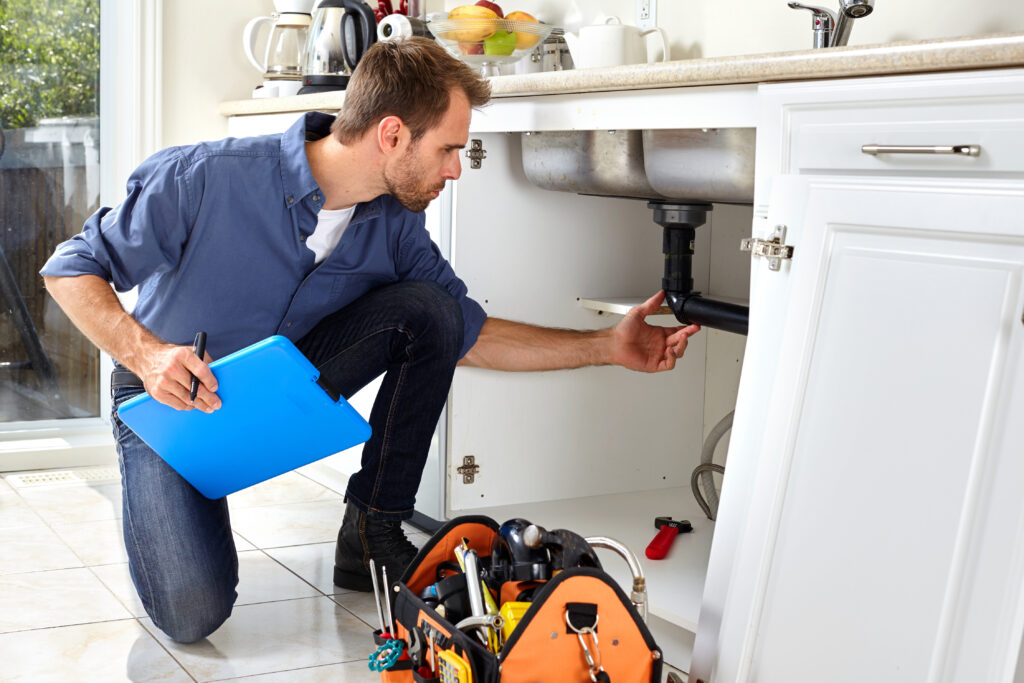
Pour one cup of baking soda followed by one cup of vinegar down each drain. Flush with hot water. If a drain still moves slowly, that’s your early warning.
If you have basement floor drains, especially in Levittown homes, pour a couple gallons of water into any that haven’t been used all winter. If the water disappears and you smell sewer gas later, the trap dried out. Refill it now.
Here’s a bigger test. Run your washing machine and dishwasher at the same time. If multiple drains slow down together, that’s not a hair clog. That’s likely a sewer line issue.
Gurgling toilets plus slow showers? That’s often tree roots pushing into clay, cast iron, or older Orangeburg sewer laterals. Spring is prime time for camera inspections.
2. Water Supply and Pressure Test
Pick up a simple pressure gauge and screw it onto an outdoor spigot. Normal range is 40 to 80 PSI. If you’re seeing 90 or higher, especially common in Philly, your system is under stress. A pressure regulator protects everything downstream.
Next, run all your hot water faucets for about ten minutes. If you see rusty or cloudy water, sediment has been sitting in the tank or your supply lines may be corroding.
Unscrew faucet aerators and soak them in vinegar overnight. Bucks County hard water clogs them up fast. Cleaning them often restores pressure immediately.
And test your main shutoff valve. Turn it off slowly, then back on. If it sticks or leaks, replace it now. Not during an emergency.
3. Water Heater Spring Service
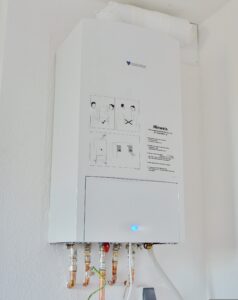
If you do one thing this spring, flush your water heater.
Shut off the power or gas. Attach a garden hose to the drain valve. Let it run until the water clears. All that sediment built up over winter affects efficiency and shortens tank life.
Check the anode rod every three years, sooner if you’re in Philly with aggressive water. If it’s mostly eaten away, replace it. That rod protects the inside of your tank.
Set your temperature to 120 degrees. It’s safer and more energy efficient.
Look at the base of the tank. Rust, moisture, or pooling water? Most tanks last eight to twelve years. If yours is pushing fifteen, it’s on borrowed time.
4. Sump Pump and Exterior Check
Spring rain finds weaknesses fast.
Dump a five-gallon bucket of water into your sump pit. The pump should kick on within about thirty seconds. If it hesitates or smells off, it’s not ready for April storms.
Remove covers from exterior faucets. Turn them on and off. Drips after shutoff often mean freeze damage inside.
Make sure downspouts extend at least five feet away from the foundation. Levittown slab homes and poor grading are a recipe for wet basements.
Walk your foundation. Spring mud shows you low spots. Add soil and slope it away from the house.
5. Water Softener and Well Systems
If you have a water softener, top off the salt and run a regeneration cycle. Bucks well water is tough on fixtures.
Well owners should check the pressure tank. Tap the top and bottom. A consistent thud usually means the bladder is intact. Replace sediment filters this time of year too. Spring aquifer recharge stirs up iron and manganese.
6. When It’s Time to Call a Professional
Call Beeco’s to schedule service if you see:
- Multiple drains stay slow after cleaning
- Hot water pressure drops throughout the house
- The sump pump fails testing
- Rusty water continues after flushing
- The main shutoff leaks
Catching these early saves money and headaches.
7. Simple Spring Plumbing Supply List
- Pressure gauge
- Water heater flush hose
- Basic plumber’s snake
- Drain bladder
- White vinegar
Small tools. Big prevention.
When to Call Beeco’s Plumbing
If you’d rather not troubleshoot all this yourself, we handle spring inspections, sewer camera scopes, drain cleaning, and water heater service throughout Levittown, Doylestown, and across Bucks, Philadelphia, and Montgomery Counties.
Spring rain does not wait. Neither do tree roots.
If something feels off, call Becco’s now to take care of it.