As September arrives and late-summer heat gives way to cooler autumn evenings across Bucks County, home maintenance priorities naturally begin to shift. While most homeowners think of fall prep primarily in terms of cleaning gutters, sealing drafty windows, and raking leaves, early autumn is actually the single most critical window to inspect and safeguard your plumbing system.
Plumbing systems experience severe seasonal transitions. Summer brings heavy outdoor water use, increased laundry, and peak demand on garbage disposals from hosting. Winter, by contrast, brings freezing temperatures, rapid expansion stress, and heating system demands. Taking proactive steps in early September bridges this gap—preventing sudden pipe bursts, unexpected main line backups, and costly late-night emergency repairs when the first hard freeze hits.
Use this comprehensive fall plumbing checklist to get your pipes, outdoor spigots, water heaters, and basement defenses completely ready for the seasonal transition.
1. Disconnect and Drain Outdoor Hoses
Leaving garden hoses attached to your exterior frost-free spigots through September and October is one of the leading causes of early winter pipe bursts in residential homes. When a hose remains connected, trapped water inside the nozzle and line cannot drain naturally.
As outdoor temperatures dip below freezing, that standing water freezes and expands backward into the faucet assembly. Even if you have a “frost-proof” spigot installed, leaving a hose attached defeats the safety mechanism, causing the pipe inside your exterior wall to split open unnoticed. You won’t discover the break until spring when you turn the water back on and flood your wall cavity.
- Disconnect all hoses: Remove garden hoses, splitters, pressure washers, and irrigation timers from all outdoor spigots.
- Drain completely: Uncoil hoses on a gentle slope to drain all remaining standing water before storing them indoors or in a garage for the season.
- Install hose bib covers: Insulated foam faucet covers provide an inexpensive extra layer of thermal protection against biting cold winds along exterior foundation walls.
2. Shut Off Interior Valves to Outdoor Spigots
If your home is equipped with conventional (non-frost-free) outdoor spigots, shutting off their dedicated interior water supply is an essential step before cold weather sets in.
Locate the interior shut-off valves—typically found in your basement, crawl space, or utility room ceiling joists directly behind the exterior spigot location. Turn the valve knob clockwise until tight to stop water flow. Next, head outside, open the exterior spigot handle fully, and let any remaining water drain out into a bucket. Leave the exterior spigot open slightly throughout the winter so any residual moisture has room to expand without building pressure inside the copper line.
3. Inspect and Test Your Sump Pump
Autumn in Pennsylvania frequently brings tropical storm remnants, heavy rain events, and rapid ground saturation. After a summer of heavy storm activity, your sump pump must be thoroughly inspected to ensure your basement or crawl space stays completely dry.
- Perform a water bucket test: Slowly pour a 5-gallon bucket of water directly into your sump pit. The float switch should rise smoothly, activate the motor, discharge the water quickly, and shut off cleanly without humming.
- Clean the pit and intake screen: Remove accumulated silt, debris, or small gravel from the bottom of the pit that could jam the impeller blade.
- Inspect the discharge line & check valve: Ensure the discharge pipe outside your home is clear of falling leaves, dirt, or mulch, and directs water at least 10 to 15 feet away from your foundation wall. Verify that the check valve prevents discharged water from flowing backward into the pit.
4. Service Your Heating & Boiler System
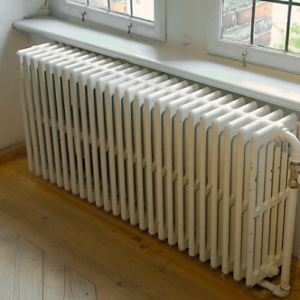
If your home relies on a hydronic boiler, steam heating, or baseboard hot water radiators, early September is the time to ensure the system is primed for daily operation before freezing weather forces continuous firing.
- Bleed radiator air valves: Air pockets trapped inside hot water radiators prevent hot water from circulating efficiently, leaving cold spots in upper-floor rooms. Bleeding the air valves restores full heating performance.
- Inspect boiler pressure & water level: Check the pressure gauge on your boiler to ensure it meets manufacturer specifications (typically 12 to 15 PSI cold for closed systems). Look around the expansion tank and relief valve for small drips or corrosion signs.
5. Insulate Vulnerable Pipes in Unheated Spaces
Pipes running through unheated areas—such as unconditioned basements, crawl spaces, attics, garages, and exterior wall cavities—are highly susceptible to sudden freezing during early autumn cold snaps. Installing foam pipe insulation sleeves over exposed copper or PEX supply lines traps ambient heat, reduces thermal energy loss, speeds up hot water delivery to your taps, and prevents catastrophic pipe ruptures.
6. Inspect Water Heater & Flush Sediment
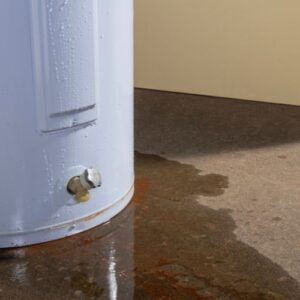
Your water heater works significantly harder during fall and winter because incoming municipal water temperatures drop by 10°F to 20°F. If your tank has accumulated mineral scale over the summer, heating efficiency drops drastically.
Flushing the mineral sediment from the base of the tank restores direct thermal contact between the burner and water, preventing popping noises, extending element life, and ensuring consistent hot water during morning showers.
7. Clear Main Sewer Lines & Kitchen Drains
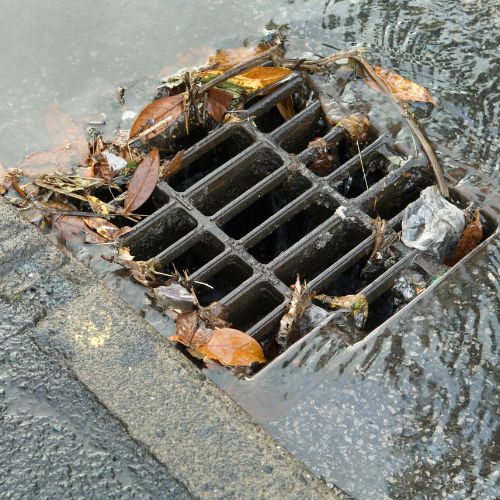
Fall leaves, shifting soil moisture, and tree roots seeking water can infiltrate underground sewer pipes during late summer and early autumn. Furthermore, heavy cooking grease and starch from autumn holiday hosting put additional strain on kitchen branch lines.
If you notice slow drains, gurgling toilets, or sewer smells in your basement, scheduling a professional drain clearing or camera inspection in September prevents a full main line backup when your home is full of guests later in the season.
Need Help Preparing Your Home’s Plumbing for the Fall Season?
Don’t wait for the first hard freeze to discover a frozen pipe or boiler leak! The licensed team at Beeco’s Plumbing & Heating, LLC provides comprehensive home plumbing inspections, pipe insulation, boiler maintenance, drain clearing, and sump pump services across Bucks County.
Call (267) 528-9675 to Schedule Your Inspection