As September draws to a close and autumn evenings bring crisp, chilly air across Bucks County, home heating becomes a top daily priority. For homeowners relying on hydronic radiant heat, cast-iron radiators, or baseboard boiler systems, early fall is the most critical window to inspect, service, and prime your heating system. After sitting dormant throughout the humid summer months, firing up a cold boiler without proper seasonal maintenance can lead to inefficient heating, high fuel bills, air locks, or unexpected heating failure during the first sudden frost.
Unlike forced-air furnaces that simply blow heated air through ductwork, boiler systems use water or steam to transfer thermal energy across your home. Because water expands, contracts, and carries dissolved oxygen and minerals, hydronic boilers require specific maintenance protocols to operate safely and efficiently. Use this complete fall boiler maintenance checklist to prepare your home for dependable, uninterrupted warmth all season long.
1. Bleed Trapped Air from Baseboards & Radiators
One of the most common early-fall heating complaints from homeowners is rooms that remain cold even when the thermostat calls for heat, or noisy radiators that make distinct clanking, gurgling, or rushing water sounds. The primary culprit behind these issues is trapped air pockets inside the piping.
Over the summer, dissolved air separates from standing water inside the system and rises to the highest points of your heating loops. Because air bubbles cannot conduct heat like water does, these air locks block hot water from circulating through individual radiator units.
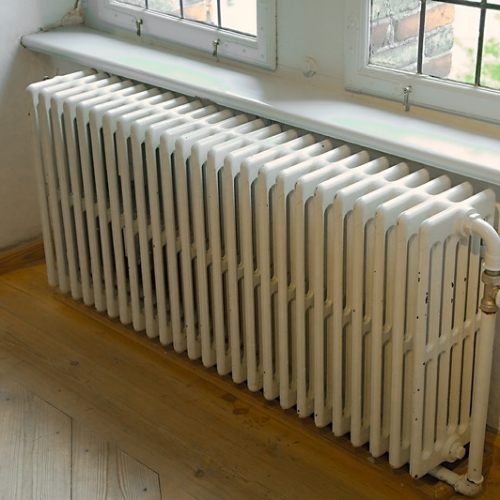
- How to bleed your radiators: Turn your heating system on and allow the radiators to warm up slightly. Locate the small air bleed valve (typically near the top corner of cast-iron radiators or baseboard end caps). Insert a radiator key or flathead screwdriver and slowly turn it counterclockwise.
- Release the air: You will hear a hissing sound as trapped air escapes. Keep a rag or small cup handy. As soon as a steady stream of water begins to trickle out, close the valve securely. Repeat this process across all radiators, starting on the lowest floor of your home and moving up to the highest level.
2. Check and Adjust System Pressure Gauges
A hydronic boiler requires proper internal water pressure to circulate hot water efficiently throughout multi-story homes. Locate the dual-reading pressure and temperature gauge (combination tridicator gauge) mounted on your boiler body.
When the boiler is cold (not actively firing), a standard residential residential closed-loop boiler should maintain a baseline static water pressure between **12 and 15 PSI (pounds per square inch)**. If the gauge reads below 10 PSI, your system may lack sufficient water volume to reach upper-floor radiators. Conversely, if cold pressure exceeds 20 PSI, your expansion tank or automatic fill valve may require professional adjustment.
3. Inspect the Expansion Tank
As water heats up inside your boiler, it naturally expands in volume. The expansion tank acts as a critical safety buffer, absorbing this extra volume so internal piping pressure remains stable. Residential boilers utilize either an older steel gravity tank suspended from basement ceiling joists or a modern diaphragm-type expansion tank.
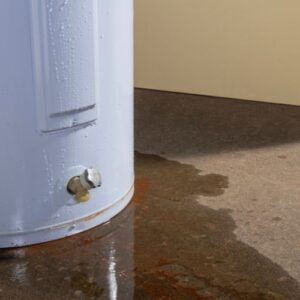
If a diaphragm expansion tank becomes “waterlogged” (filled entirely with water rather than a balanced cushion of air), heating the system causes pressure to spike rapidly, triggering the emergency pressure relief valve to discharge water onto your basement floor. Tapping the side of a healthy bladder tank should yield a hollow sound on the air side and a dull thud on the water side.
4. Test Safety Relief Valves & Low-Water Cutoffs
Boilers operate under continuous heat and pressure, making built-in safety devices essential for protecting your property:
- Pressure Relief Valve: This safety valve opens automatically if internal pressure reaches dangerous levels (typically 30 PSI on residential hot water boilers). A plumber will inspect the discharge pipe for slow drips or mineral crusting that indicates a weeping valve.
- Low-Water Cutoff (LWCO): Essential on steam boilers and high-efficiency units, the low-water cutoff shuts down the burner if water levels drop below safe operating limits, preventing dry-firing and cracked boiler castings.
5. Inspect Flue Venting, Chimney Lines, & Gas Connections
Safe combustion requires clear exhaust venting. Over summer months, birds, small animals, or debris can nest inside exterior chimney flues or PVC intake/exhaust pipes. Inspect metal vent piping connecting the boiler to the chimney for rust spots, loose joints, or white powdery corrosion. Ensure carbon monoxide detectors on every level of your home have fresh batteries and are fully functional before turning your heat on for the season.
Need Professional Heating Maintenance or Emergency Boiler Repair?
Ensure your home stays warm, safe, and efficient all winter long! The licensed heating technicians at Beeco’s Plumbing & Heating, LLC provide annual boiler tune-ups, radiator repairs, zone valve replacements, and high-efficiency installations across Bucks County.
Call (267) 528-9675 to Schedule Your Service