Understanding the Physics of Water Heater Sediment
To understand why regular flushing is necessary, it helps to examine how water heaters operate. When cold water enters the bottom of the tank through the dip tube, heating elements (in electric models) or a bottom gas burner (in gas models) ignite to raise the water temperature. As hard water is heated above 120°F, dissolved calcium carbonate and magnesium naturally precipitate out of liquid solution and convert into solid micro-particles. Because these mineral solids are heavier than water, gravity pulls them down to the bottom of the tank. Over time, this loose sediment bakes onto the inner floor of the heater, creating a dense, rock-like crust. This mineral layer acts as a thermal insulator, preventing the heat source from reaching the water efficiently.5 Critical Warning Signs Your Tank Has Heavy Sediment Build-Up
Plumbing systems usually provide clear indicators before a total breakdown occurs. If you notice any of the following symptoms in your home, heavy sediment accumulation is likely the primary cause:- Popping, Rumbling, or Crackling Sounds: As water gets trapped beneath the hardened layer of mineral scale at the bottom of the tank, it reaches a boiling point and turns into steam pockets. As these steam bubbles force their way through the hard crust, they generate distinct popping, gurgling, or loud rumbling noises during heat cycles.
- Inconsistent or Rapidly Depleting Hot Water: If your shower starts off burning hot but turns lukewarm within minutes, sediment has taken up valuable physical volume inside the tank and blocked proper heat transfer.
- Slower Heat Recovery Times: A clean water heater can typically reheat a full tank in 30 to 45 minutes. When covered in sediment, the heating elements or burners must work twice as hard and take significantly longer to restore water temperatures.
- Rusty or Cloudy Tap Water: When heavy mineral scale breaks loose, tiny rust flakes and discolored particulate matter flow directly through your hot water supply lines, tinting your sink and tub water.
- Unexplained Utility Bill Spikes: Because an insulated tank bottom requires significantly more electricity or gas to heat the exact same volume of water, a neglected unit will drive up your monthly energy bills.
The Step-by-Step Professional Water Heater Flush Process
While an annual water heater flush is a straightforward maintenance procedure, working with high-pressure, scalding hot water and electrical/gas connections requires strict safety protocols. Here is how a professional plumber safely clears your system:Step 1: Shutting Off the Energy Source & Water Supply
Before draining a drop of water, power must be cut completely. For electric units, the breaker switch is flipped at the main panel to prevent dry-firing the upper and lower heating elements. For gas units, the thermostat control knob is switched to the “Pilot” position. Next, the main cold water shut-off valve at the top of the heater is closed.Step 2: Connecting the Drain Assembly & Relieving Pressure
A heavy-duty, heat-resistant hose is attached to the brass drain valve located near the base of the tank and routed safely toward a basement floor drain or outdoors. A nearby hot water faucet inside the home is opened to break the internal vacuum and allow air into the lines.Step 3: Flushing the Tank Under Controlled Pressure
The drain valve is opened fully to let the initial sediment-heavy water flow out. To remove stubborn, caked-on mineral deposits at the very bottom, the cold water inlet valve is turned on in short, high-pressure bursts. This rapid influx of fresh water stirs up the settled debris at the base, forcing the slurry out through the hose until the discharge water runs completely crystal clear.Step 4: Inspecting the Sacrificial Anode Rod
While flushing the system, a licensed plumber will also evaluate the state of the sacrificial anode rod. This metal rod (made of magnesium or aluminum) suspended inside the tank attracts corrosive elements in the water to protect the steel tank walls from rusting. If the anode rod is heavily depleted, replacing it during the flush service extends the overall life of the unit by several years.Tankless Water Heaters Need Maintenance Too: The Descaling Process
A common misconception among homeowners is that upgrading to a tankless (on-demand) water heater eliminates the need for maintenance. While tankless systems do not store large volumes of standing water, their internal copper heat exchangers feature micro-passages where mineral scale accumulates quickly. Without annual descaling (flushing the heat exchanger with a non-toxic circulation solution), mineral scale restricts water flow, triggers system error codes, causes thermal overheating, and voids manufacturer warranties. Annual tankless maintenance ensures instant, infinite hot water while keeping fuel consumption ultra-low.Repair vs. Replacement: When Is It Time for a New Unit?
If your water heater is under 8 years old, performing annual flushes and replacing depleted components (such as thermostats, heating elements, or anode rods) is usually the most cost-effective solution. However, when simple maintenance isn’t enough, professional water heater repair can resolve underlying electrical or valve issues before considering full replacement.
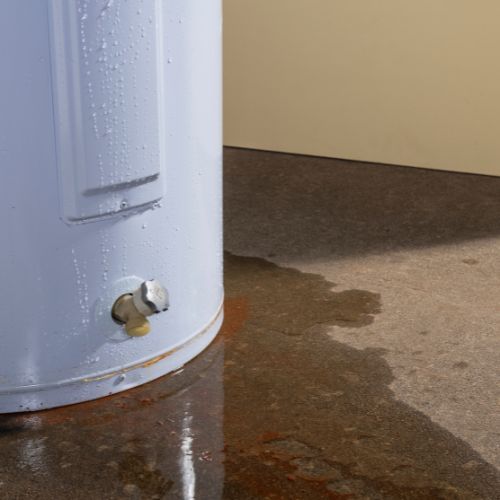
You should consider upgrading to a high-efficiency model if you observe any of these severe issues:- Active Tank Leaks: Water pooling directly around the metal base of the water heater usually indicates the inner steel liner has rusted through completely. Once a tank leaks from structural corrosion, repair is impossible.
- Unit Age Exceeds 10–12 Years: Conventional tank water heaters have an average lifespan of 8 to 12 years. If your older unit is constantly requiring minor repairs, replacing it eliminates emergency flooding risks.
- Extremely Loud Internal Rumbling: If an aged unit continues making loud metallic noises even after a thorough flush, the lower inner lining may be severely warped or weakened from heat stress.
Is Your Water Heater Making Noises or Running Out of Hot Water? Protect your home from unexpected leaks and cold showers! The team at Beeco’s Plumbing & Heating, LLC provides professional water heater flushes, anode rod replacements, tankless descaling, and energy-efficient installations across Bucks County. Call (267) 528-9675 to Schedule Your Service