How to Prevent Frozen Outdoor Pipes: The Essential October Plumbing Checklist
As October arrives and crisp autumn air settles in across the region, homeowners everywhere begin raking leaves, storing outdoor furniture, and prepping their homes for the cooler months ahead. While inspecting your roof or cleaning out the gutters might top your seasonal to-do list, there is one critical fall task that often gets overlooked until it is too late: winterizing your outdoor plumbing.
At Beeco’s Plumbing & Heating, burst outdoor spigots and frozen water lines are among the most common emergency calls we receive during the first sudden autumn freeze. The good news? A few simple preventative steps taken this week can save you thousands of dollars in emergency repairs and structural water damage cleanup. If you ever run into a plumbing emergency during sudden temperature drops, our expert team is always ready to assist with our comprehensive plumbing services.
Why Outdoor Spigots Freeze and Burst
Understanding the physics behind frozen pipes can help you spot vulnerabilities before cold weather hits. Water expands by about 9% as it freezes into ice. When temperature levels dip below 32°F, any standing water trapped inside an outdoor spigot, hose, or exposed water line will expand, creating tremendous hydraulic pressure inside the copper, galvanized iron, or PEX pipe.
Contrary to popular belief, it is rarely the ice itself breaking the pipe at the point of freezing. Instead, the expanding ice acts as a blockage, forcing trapped water downstream and building extreme water pressure between the ice plug and your indoor fixtures. Eventually, this hydraulic pressure reaches a breaking point—often splitting the pipe hidden inside your home’s exterior wall cavity. You won’t even realize the pipe has burst until spring—or during a winter thaw—when you turn the water back on and flood your basement or living space. If you suspect an active leak or hidden pipe damage, learn more about our professional leak detection solutions to resolve the issue early.
🚨 Step-by-Step Fall Hose Bib & Spigot Winterization
Run through this quick, comprehensive checklist before the first hard frost hits your neighborhood:
1. Disconnect All Garden Hoses Immediately
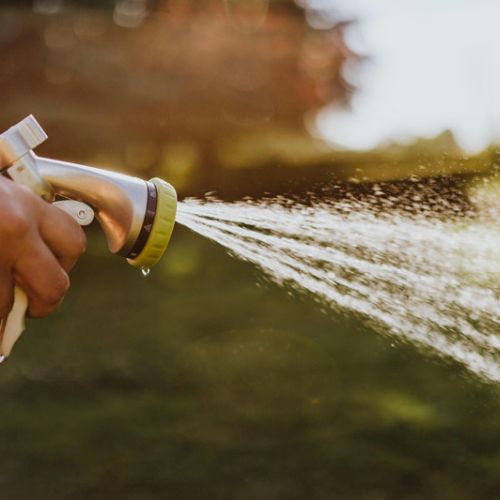
Leaving a garden hose attached to an outdoor spigot during freezing weather is the single leading cause of burst pipes. A connected hose traps water inside the sillcock or faucet body. Even if your home has a modern “frost-free” spigot installed, a connected hose prevents the automatic drainage mechanism from working properly, guaranteeing trapped water will freeze inside the wall. Drain your hoses, coil them neatly, and store them indoors or in a shed for the season.
2. Inspect and Shut Off Interior Shut-Off Valves
Most residential homes feature dedicated interior shut-off valves for outdoor water lines, usually located in the basement, utility room, or crawl space near the perimeter wall. Turn these valves clockwise until they are completely closed to cut off the main supply of water feeding your outdoor faucets.
3. Drain the Remaining Trapped Water
After closing the interior shut-off valve, go back outside and open the outdoor spigot wide open. Let any residual water drain out completely. If your interior valve features a small brass bleeder cap on the side, place a small bucket beneath it and unscrew the cap to drain any water sitting in the short pipe segment between the valve and the outside wall.
4. Install Insulated Outdoor Faucet Covers
For extra protection against biting autumn winds and sudden overnight temperature drops, cover each outdoor spigot with an inexpensive foam or fabric insulated faucet cover. These covers trap radiant heat escaping from your home’s exterior walls and shield the metal fixture from freezing cold drafts.
5. Upgrade to Frost-Free Sillcocks
If your home still features older, standard brass spigots, consider upgrading to modern frost-free sillcocks. These fixtures feature a long internal stem that places the actual water shut-off valve deep inside your warm home rather than exposed to the outside air, offering built-in protection against unexpected freezing conditions.
Don’t Forget Your Indoor Plumbing and Water Systems This Fall
While outdoor spigots are the most vulnerable fixtures during early autumn freeze cycles, fall is also the ideal time to review your home’s indoor plumbing health before peak winter demand hits:
- Inspect Your Water Heater: Cold incoming city water forces your water heater to work much harder during fall and winter. Fall is the perfect time to flush out sediment and schedule routine water heater repair and maintenance to ensure uninterrupted hot water.
- Check Basement Sump Pumps: Fall rains can quickly saturate the ground around your foundation. Keep your basement dry by checking your pump and reviewing our guide on sump pump maintenance.
- Insulate Exposed Interior Pipes: Unheated areas like basements, attics, garages, and crawl spaces house exposed water lines that can freeze during prolonged cold snaps. Wrapping these pipes in foam insulation sleeves provides crucial thermal protection.
📋 Quick October Plumbing Checklist for Homeowners:
- Garden Hoses: Disconnected, drained, and stored indoors
- Interior Water Valves: Closed and line bled via bleeder cap
- Outdoor Faucets: Opened to drain and covered with foam insulation
- Exposed Pipes: Wrapped with foam pipe insulation in unheated areas
- Water Heater Check: Flushed and inspected before peak winter demand
Need Help Winterizing Your Plumbing? Call Beeco’s Plumbing Today!
If you can’t locate your interior shut-off valves, have stubborn leaking spigots, or want to upgrade your home with modern frost-free fixtures before winter sets in, don’t leave your home’s safety up to chance. The family-owned team at Beeco’s Plumbing & Heating is here to help with honest pricing, fast scheduling, and elite plumbing craftsmanship.
To learn more about our company values or book a seasonal inspection, visit our about us page or head straight to our contact page to get in touch with our expert team today!
Don’t wait for the first severe freeze. Contact Beeco’s Plumbing & Heating today to schedule your fall plumbing check-up and protect your home all winter long!