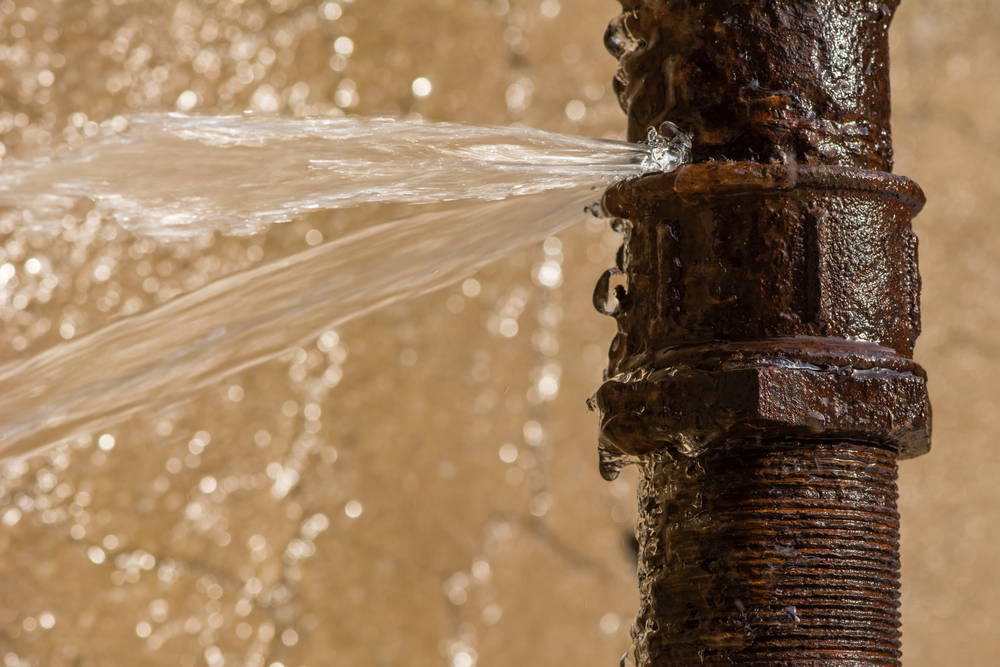
As November temperatures plunge across Bucks County, your home’s plumbing system faces increased pressure from cold water supply lines, heating system demands, and foundation soil movements. While an overflowing toilet or a dripping kitchen faucet is easy to spot, some of the most destructive plumbing issues occur quietly out of sight. Hidden pipe leaks inside walls, under subflooring, or beneath concrete foundations can release thousands of gallons of water before ever showing obvious signs on your drywall.
Left undetected through the winter, even a tiny pinhole leak can cause catastrophic structural rot, ruin home insulation, spark black mold growth, or lead to a major pipe burst when freezing temperatures hit. At Beeco’s Plumbing & Heating, we provide professional, non-invasive water line repair and replacement services across Feasterville, Bensalem, Southampton, and Doylestown to help homeowners resolve hidden plumbing leaks before winter sets in.
5 Early Warning Signs You Have a Hidden Water Leak
Because hidden pipe leaks develop inside enclosed architectural spaces, recognizing subtle behavioral changes in your home’s water system is your first line of defense. Keep an eye out for these five critical warning indicators:
1. Unexplained Spikes in Your Water Bill
If your monthly water utility bill suddenly jumps without an increase in household usage or seasonal outdoor watering, you almost certainly have water escaping somewhere in your system. A single pinhole leak in a copper supply line can waste more than 6,000 gallons of water per month.
2. Discolored Drywall, Peeling Paint, or Soft Flooring
Water travels along the path of least resistance. When a copper or PEX supply line leaks inside a wall cavity, moisture absorbs into surrounding drywall, ceiling plaster, or wooden floor joists. Look for yellowed water rings, bubbled paint, or soft spots on hardwood and laminate floors.
3. The Sound of Running Water When Faucets Are Off
If you hear a faint continuous hum, dripping sound, or hiss behind your bathroom or laundry room walls when no fixtures are turned on, water is actively flowing through a damaged pipe section. Explore our guide on outdoor spigot leak causes to verify whether an exterior valve is the culprit.
4. Musty Odors and Sudden Indoor Mold Growth
Mold spores require only moisture, organic matter, and dark spaces to thrive. If you notice a damp, earthy smell in your basement, crawlspace, or vanity cabinets despite cleaning, hidden moisture from an active plumbing leak is likely feeding hidden mold colony growth.
5. Warm Spots on Basement Concrete Floors (Slab Leaks)
Homes built on concrete slab foundations in areas like Feasterville or Yardley often have hot water supply lines running beneath the concrete. If you notice a localized warm patch on your basement floor tile or carpet, your hot water line has likely developed a underground “slab leak.”
How to Perform a 5-Minute Water Meter Leak Test
Before calling for professional diagnostic service, you can easily confirm whether your home has an active main supply leak using your utility water meter:
- Turn Off All Water Fixtures: Shut off all faucets, showers, washing machines, dishwashers, and ice makers inside and outside your home.
- Locate Your Water Meter: Find your main water meter box, typically located near your front curb, basement wall, or utility room.
- Check the Leak Indicator Dial: Most meters have a small triangular or star-shaped red/silver “leak indicator” dial. If this small gear is spinning while no water is running inside, water is actively escaping your system.
- Take Start and End Readings: If your meter does not have a low-flow indicator, record the exact digital reading. Leave all water off for 2 hours, then check the meter again. If the number increases, you have a leak.
How Professional Plumbers Locate Leaks Without Tearing Down Walls
Gone are the days when plumbers had to demolish large sections of drywall or break up concrete floors to locate a leaking pipe. At Beeco’s Plumbing & Heating, we utilize state-of-the-art, non-destructive leak detection tools to pinpoint exact leak locations within inches:
- Acoustic Ultrasonic Leak Detectors: Sensitive electronic ground microphones listen to the precise frequency produced by pressurized water escaping underground or behind wall structures.
- Thermal Imaging Cameras: Infrared cameras detect subtle temperature differences caused by hot or cold water pooling behind plaster, subfloors, and basement ceilings.
- Pressure Isolation Testing: System pressure gauges allow technicians to isolate individual plumbing zones (such as hot supply lines vs. cold supply lines) to narrow down the failure point. For broader system diagnostics, review our insights on common plumbing issues and early detection tips.
📋 Emergency Action Checklist: What to Do If You Spot an Active Leak
- Shut Off Main Water Supply: Turn your main house shut-off valve clockwise to stop incoming water flow immediately.
- Relieve Line Pressure: Open the lowest faucet in your home to drain residual water from your interior pipes.
- Protect Property & Electronics: Move furniture, rugs, and electrical equipment away from wet ceiling areas or floor pooling.
- Call a Licensed Local Plumber: Contact an experienced local emergency team to repair damaged pipe sections before structural rot worsens.
Protect Your Home with Trusted Local Plumbing Experts
Whether you need emergency water leak repair in Feasterville, professional drain clearing in Bensalem, or seasonal maintenance in Doylestown, Southampton, or Yardley, Beeco’s Plumbing & Heating has you covered. Explore our full range of solutions on our primary services page, or learn about our team’s commitment to honest, quality service on our about us page.
Don’t let a hidden water leak damage your home or spike your utility bills this winter. Contact Beeco’s Plumbing & Heating today to schedule your leak detection inspection!